Centipede Grass Sod
Medium blade, slow growth, low maintenance, the Lazy Man's Grass.
Order Centipede sod by the pallet for your Northshore acreage or pine-shaded lot. Your acidic-soil acre-plus property gets the lowest-maintenance grass on the schedule, with fewer mowings, lower fertilizer needs, and a tolerance for the pine-belt soil profile that defines rural St. Tammany and Tangipahoa Parishes.
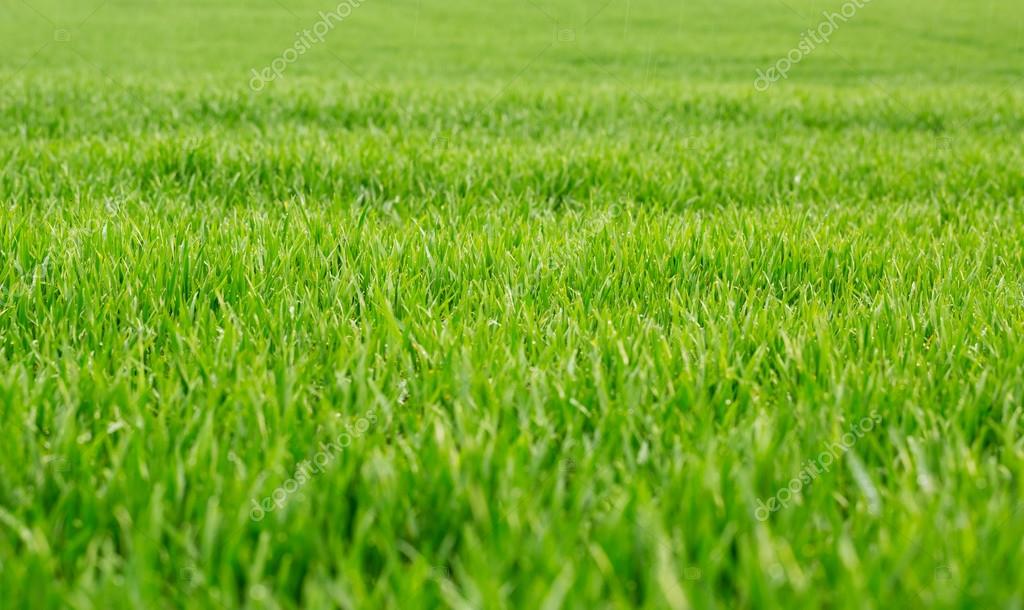
What makes Centipede perform.
Centipede grass is a medium-blade warm season grass with light-green color and slow growth. The variety was bred for acidic sandy loam, the dominant soil profile across the Northshore and into South Mississippi. Your rural acre-plus lot, pine-canopy property, or low maintenance yard gets a thick, attractive turf that needs fewer mowings and less fertilizer than any other grass on the schedule.
- Low maintenance and low fertilization requirements
- Drought tolerant warm season grass
- Tolerant of acidic sandy loam (the regional soil)
- Best in full sun, tolerates moderate shade
- Light-green medium-width blade with slow growth
- Called the Lazy Man's Grass for a reason

Where Centipede belongs.
Centipede leads the install schedule out on rural acreage from Lacombe to Carriere and the pine belt north of I-12. Acidic sandy loam under pine canopy is exactly what Centipede was bred for, and the slow growth saves about twenty mowings a year on a one-acre lot.
Lacombe acreage, rural Pearl River County, eastern Slidell rural lots, and pine-belt stretches north of I-12. Your wooded acre-plus property with pine canopy and acidic soil gets the grass that was bred for exactly that profile.
Pearl River County, rural Tangipahoa, and most of the Northshore east of Lake Pontchartrain. The dominant regional soil is acidic sandy loam, which is what Centipede was bred for. No grass on the schedule fits that soil as well.
Owners who want fewer mowings, less fertilizer, and a yard that does not demand weekly attention. Centipede saves roughly twenty mowings per year on a one-acre lot compared to Bermuda or Zoysia.
Centipede tolerates moderate shade better than Bermuda. Your pine-canopy lot with filtered light works for Centipede, though heavy oak canopy still calls for St. Augustine.
The cultivar we supply.
Common Centipede
The standard pine-belt pick.
Common Centipede is the cultivar your installer drops on Centipede jobs across the Northshore and South Mississippi. Light-green color, medium blade, slow growth, and the lowest maintenance requirements of any grass we sell. Your Lacombe acre-plus install or rural Picayune lot is most likely Common Centipede.
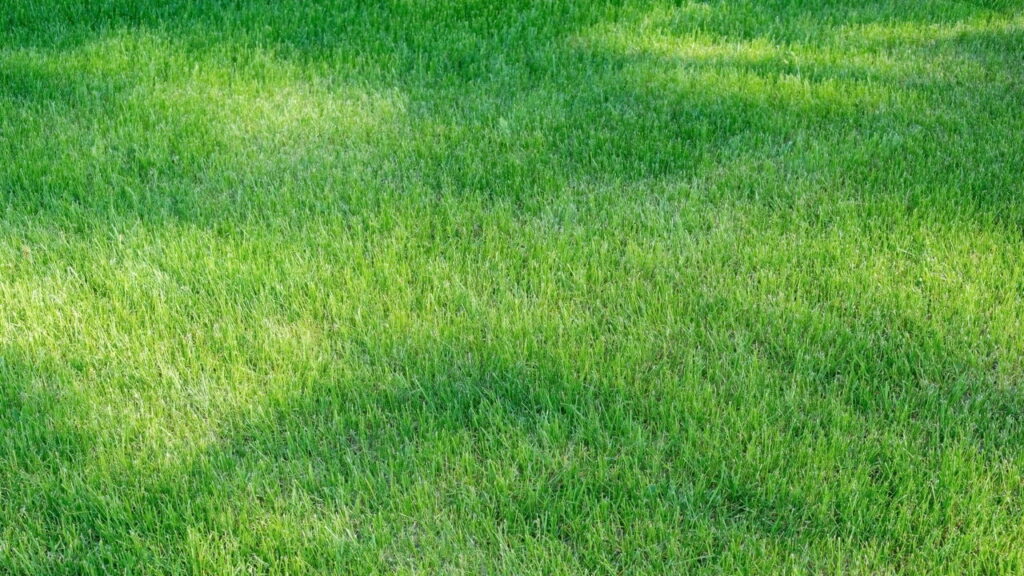
Centipede care basics.
The mowing, watering, and fertilizer baseline for Centipede on Northshore lots. Your installer walks you through the full schedule at the quote stage.
- Mowing height
- 1.5 to 2 inches. Mow when the grass reaches 2.5 to 3 inches. Slow growth means fewer cuts per season.
- Water requirement
- Low. About 0.5 to 0.75 inch per week, less than any other grass on the schedule.
- Fertilizer schedule
- Light feeding only. One application per year is often enough. Over-fertilizing hurts Centipede.
- Sun requirement
- Full sun preferred, with tolerance for moderate shade. About 4-6 hours of direct sun is the minimum.
- Establishment time
- 3 to 4 weeks for the sod to root. Slower establishment than the other three grasses, but lower lifetime maintenance.
Centipede compared to the other three.
Centipede vs St. Augustine: pick Centipede for low maintenance and acidic soil. Centipede vs Zoysia: pick Centipede for rural acreage and lower water/fertilizer needs. Centipede vs Bermuda: pick Centipede if your lot has any shade or you want fewer mowings. For the full side-by-side, see the grass types comparison.
Delivery across the Northshore.
Covington Sod delivers across four parishes in Louisiana plus Pearl River and Hancock Counties in South Mississippi.
Centipede grass questions.
Centipede grows slowly, needs fewer mowings, takes less fertilizer, and tolerates the regional acidic soil without amendments. Your acre-plus lot can save roughly twenty mowings per year compared to Bermuda or Zoysia, and the fertilizer bill drops by about 60 percent. The Lazy Man's nickname is earned.
The pine-belt rural acreage from Lacombe east to the Mississippi state line. Pearl River County, rural Tangipahoa, and the wooded acre-plus lots north of I-12 all run on acidic sandy loam, which is exactly what Centipede was bred for. It also performs well across most of the rural Northshore.
Centipede tolerates moderate shade better than Bermuda but not as well as St. Augustine. Pine canopy with filtered light works fine. Heavy oak canopy with deep shade is too much for Centipede. For deep shade pick St. Augustine.
Less than any other grass on the schedule. About 0.5 to 0.75 inch per week through summer, even less in spring and fall. Centipede is the right pick for owners who want lower water bills or have limited irrigation.
Acidic sandy loam. Soil pH between 5.0 and 6.0 is the sweet spot. Centipede struggles in alkaline soil or heavy clay. The good news is much of the Northshore rural acreage and Pearl River County run exactly the soil profile Centipede prefers.
Yes. Covington Sod delivers across St. Tammany, Tangipahoa, and Washington Parishes in Louisiana, plus Pearl River and Hancock Counties in South Mississippi. Centipede is the install I recommend most for rural acreage. See the service-areas page for the full list.
Ready for Centipede sod?
Fresh Louisiana-grown sod. Quick turnaround to your property. Installation available.
Covington, LA 70433
Sat 8-2